
Pencoed Comprehensive School
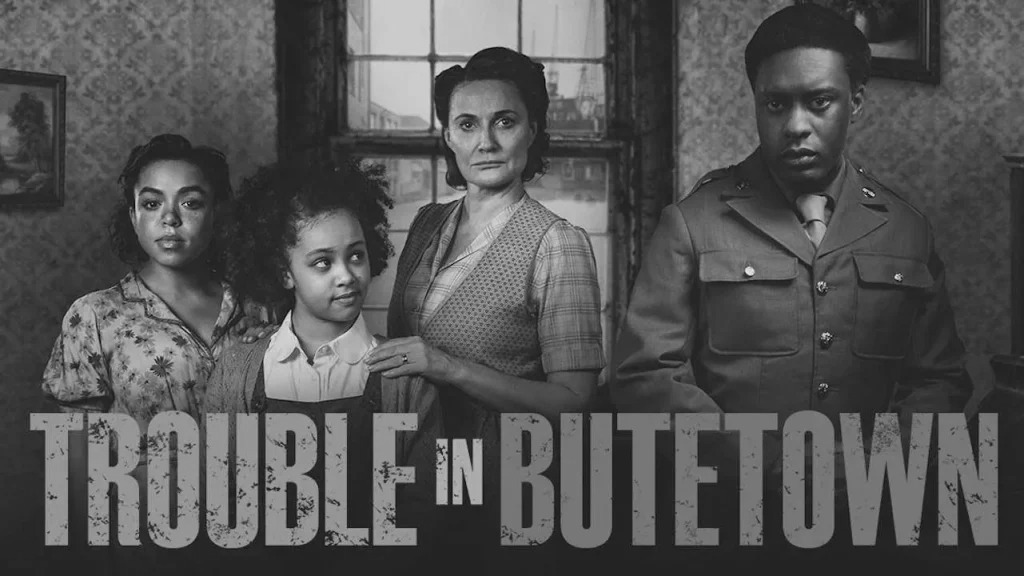
In our recent drama lessons, we’ve been diving into Diana Nneka Atuona’s Trouble in Butetown, and it’s been an eye-opening experience. Set in wartime Cardiff’s multicultural docklands, we explored themes of race, identity, and community through the story of an African American GI seeking refuge in an illegal boarding house. What makes this play so compelling to look at is how it humanises the struggles of marginalised people during the war, challenging the idealised version of Britain’s wartime past (which we explored in some depth in Media studies). Through practical exercises (see examples below), we explored the tensions between characters like Gwyneth, the fiercely independent boarding house owner, and Nate, the runaway soldier, unpacking their fears, desires, and moral dilemmas.
One of the most powerful aspects of studying this play was how it allowed us to explore status and power dynamics in performance. Through improvisation and character work, we experimented with how racial prejudice and war-time restrictions shaped the interactions between characters. We also considered the play’s setting; Butetown’s close-knit yet divided community and how staging could reflect the claustrophobic yet protective nature of the boarding house. The play’s emotional depth and historical relevance made it an engaging and thought-provoking piece to work with, encouraging us to reflect on both past and present issues of race and belonging.
The learners thoroughly enjoyed reading and discussing the play and the opportunity to interview Diana Nneka.
Timi Oyelke Year 10
Reading “Trouble in Butetown” was such a delightful experience. Right from the start, I was drawn in by the characters, especially Gwenyth, the mother. Her strength and determination really shone through. What made the book even more engaging was its vivid portrayal of life in Tiger Bay. It was refreshing to explore a community that often gets overlooked in history. Diana Nneka Atuona did a wonderful job capturing the spirit of the people and their experiences, making everything feel real and relatable.
This book opened my eyes to how we usually hear about big historical events that happened during World War II, while the smaller everyday stories often fade into the background. It felt like a privilege to learn about Tiger Bay and the unique challenges and joys its community faced.
The humour sprinkled throughout the play added a nice touch, making serious moments feel lighter and more enjoyable. Diana Nneka Atuona balanced humour with deeper themes beautifully, enriching the reading experience. Each character brought something special to the story, and their interactions felt genuine and heartfelt.
After finishing “Trouble in Butetown,” I’m excited to explore more plays and books by Diana Nneka Atuona. Her storytelling is truly captivating, and I can’t wait to dive into more of her work. This journey has inspired me to seek out more stories that highlight the lives of everyday people and the communities we don’t often hear about. I also feel it’s important to share what I’ve learned with others, sparking conversations about the richness of these experiences. This play was not just enjoyable; it was an eye-opening journey into a world that deserves to be celebrated. I look forward to discovering more stories that shaped history through her incredible writing.
Examples of Curriculum Approach – exploring the text in Drama
Here are some examples of activities we used to explore Trouble in Butetown in drama lessons (Year 9/10) along with brief pupil feedback:
1. Status and Power Dynamics – Role Reversal Improvisation
Activity: We assigned roles based on status (e.g., Nate as a vulnerable fugitive, a white soldier as an authority figure) and played out key moments from the play. Then, we reversed the power dynamics, allowing students to explore what would happen if the roles were flipped.
Pupil Feedback: “It really made me think about how power isn’t just about rank—it’s about perception. When we switched roles, I realised how much fear and vulnerability shaped Nate’s choices.”
2. Hot-Seating – Character Motivations and Dilemmas
Activity: Students took on the roles of Gwyneth, Nate, or Constance (Gwyneth’s daughter) and answered questions from the class while staying in character. This helped them delve into their backstories, motivations, and internal conflicts.
Pupil Feedback: “Playing Gwyneth in the hot seat made me realise how much pressure she’s under, not just as a mother, but as someone protecting her community.”
As a school, we have been working hard to build our understanding of anti-racism and ensure that our curriculum not only reflects greater diversity but also engages learners in meaningful experiences that deepen their understanding of Wales and their local area.
The opportunity through DARPL’s Community of Practice to engage with Diana Nneka Atuona, provided both staff and students with a platform to explore Wales’ history, representation, and prejudice.
Through this engagement, our staff and students have developed a deepened insight and a richer collective understanding of Wales’ diverse past, reinforcing our commitment to anti-racist education that is both relevant and impactful.
Here’s the link to explore the DARPL Author set: https://darpl.org/darpl-library/?e-filter-622fe77-category=author