DARPL Authors 2024
DARPL had the wonderful opportunity to collaborate with five inspirational authors and their literature. The texts by Angela Hui, Connor Allen, Diana Nneka, Jessica Dunrod, and Ndidi John provide vital food thought, a strong appetiser in our nationwide hunger for curricula centred on ethical citizenship and anti-racism. We viewed the critical and thriving new stream of literature within the context of Wales, within the Curriculum for Wales, and the newly launched WJEC qualifications, resources and approach guidance. Each author has produced a blog to provide educators and leaders with valuable opportunities for reflection and consideration. Use these blogs as a springboard for upcoming DARPL professional learning opportunities, to explore books the authors cite, and to investigate the supporting resources from the authors and DARPL.
“If you don’t see that your story matters, chances are no one else will either. So even though it isn’t always easy, it’s important for you to find the strength to share your truth. Because the world needs to hear it.” – Michelle Obama
We are all made of stories. It’s what’s driven human connection and communication for generations. Stories. Who we are. What we stand for. Where we come from. If life is one big book, one huge story with pages and chapters of who we are, interwoven into the words and experiences of the lives we live, then empathy is allowing others to read that book and take comfort in knowing they are not alone. Finding relatable stories in those pages.
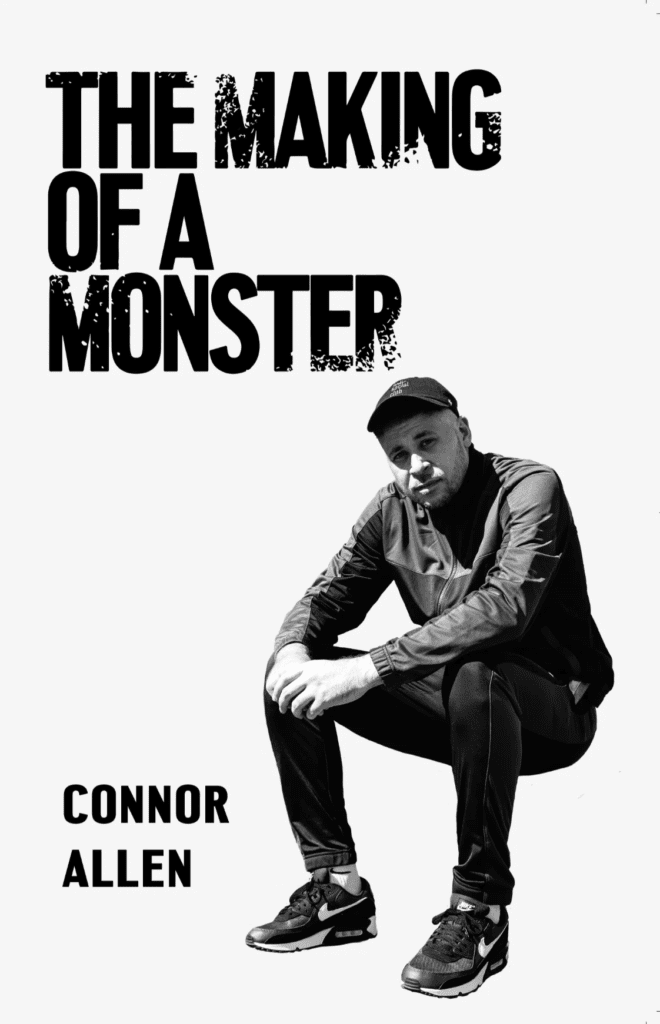
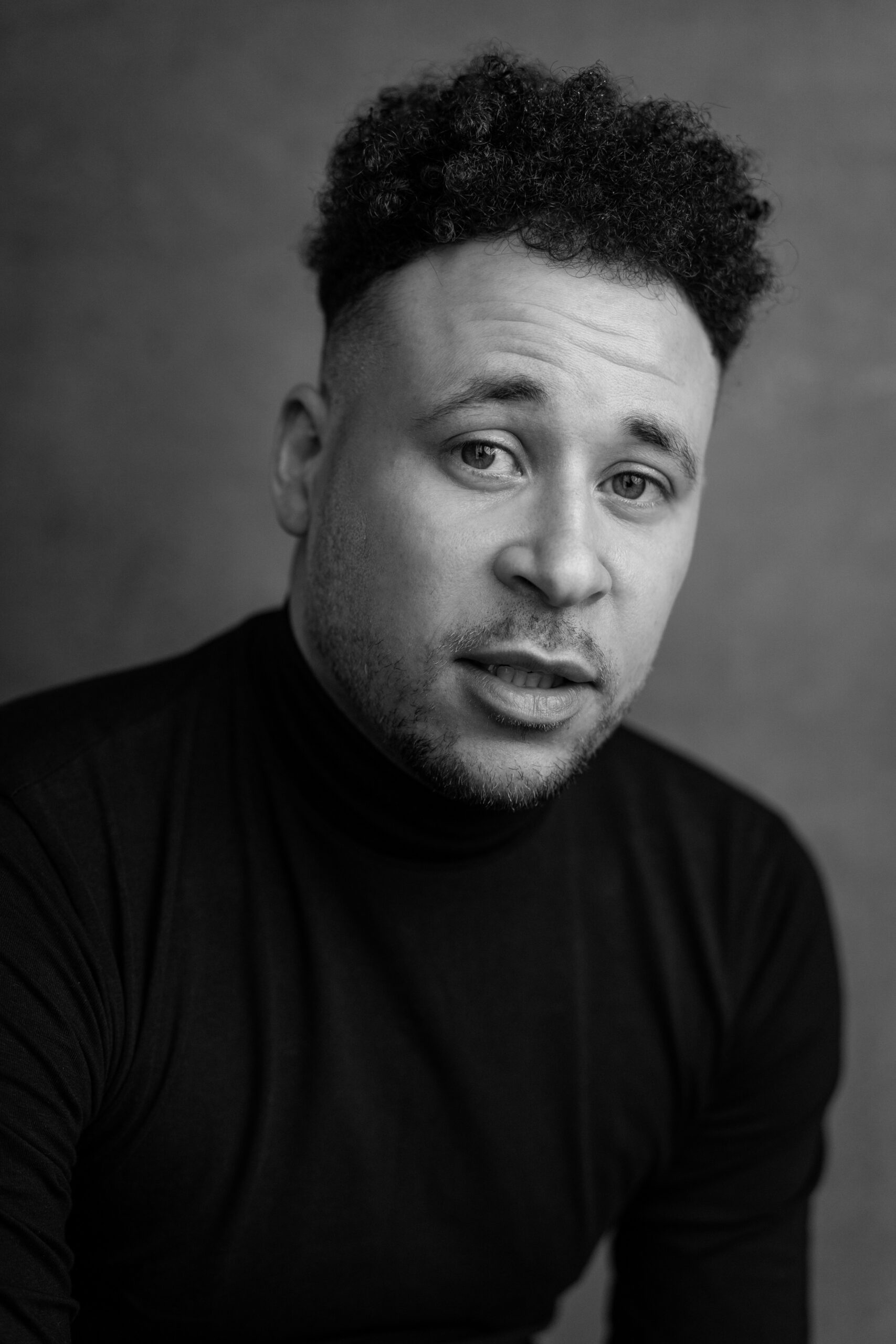
Let me take you back to a few pages of my own story. Hay Festival last year (2023). I’m riding off the back of a successful semi-autobiographical theatre show called ‘The Making Of A Monster’. The show aired at Wales Millennium Centre. In it, I explored the many facets of my past, including the experience of growing up light skinned, mixed race, and struggling to fit in and find acceptance. And now, I’m there, at the Hay festival, one of the biggest literary festivals in the world. And as I’m walking between two tents, I am stopped by a mother (also a teacher) and her shy mixed raced teenage son, called Arthur. She recognised me from the show. The mother encourages her son to talk to me. He tells me he watched my show, that it was ‘really good’ and that he just wanted to say thank you, because watching me on stage, hearing my story, made him see that he wasn’t alone. Alone in his questions and his experience of being light skinned, mixed race, like me.
THAT moment made all the sleepless nights and the self-doubt about making that show worth it. As I told Arthur “‘I’d do it all over again if it meant you got that out of it as I didn’t have that when I was your age.” Meeting Arthur confirmed to me the power that sharing our stories can have. Those stories are our strength. They give others hope, and that’s what we need – more HOPE. His mother said that I could never understand what my show and story had meant to her son, and truth be told I guess I never will. Our experiences are unique, yet universal. And for me that’s another reason why this work of anti-racism within education in Wales is so important, because we never know who needs to hear our stories or what they’ll take away from it.
Jeffery Boakye wrote that ‘literacy is the gateway to empathy. Empathy is the solution to everything’ and this work and sharing stories and experiences means we are allowing others to walk a mile in our shoes, to tap into their own sense of empathy and see the world through our eyes. As a result, the empathy grows around us. Arthur walked in my shoes, as did many others. The story of The Making of a Monster resonated for him, it taught him that he is wasn’t, he isn’t alone. That there is hope ahead. I hope sharing stories can play a part in teaching kids like Arthur that no matter how tough their experience, it will get better. That one day he will feel like he fits and belongs.
That understanding, for me, is the reason why this work is so crucial. The mission of an anti-racist Wales is essential, so that people with different stories and experiences, different to yours and mine, can find peace in the place they call home.
A huge factor in this work and in my thinking as of late is reflection. Reflecting allows space for empathy and compassion. To consider journeys far different to our own. In 2023, I took my first trip to Jamaica. A place that birthed my father and many branches of my family, but an island that I had always feared going to because I was scared the lightness of my complexion meant I wouldn’t be accepted. A few people in the UK had told me, after I’d performed poetry sets about my past, my heritage, and the complex relationship with my Jamaican father, that I wouldn’t be accepted over there in Jamaica. I feared not being accepted as part Jamaican/part Welsh, because then where did I belong? I ran from that rejection. Can’t suffer rejection if you don’t put yourself in the firing line, right?
As years passed and I got older and more curious about the world and my place in it, I found myself not WANTING to travel to Jamaica but NEEDING to go there, to understand. I can’t figure out where I am going if I don’t understand where I came from. So, I found myself flying over to this tiny island. When I explained to people there that my father is Jamaican and my mother Welsh, I was greeted warmly with “you’re a child of Jamaica, Welcome home”. All my life I’ve been searching for something. And with my feet firmly on Jamaican ground, the place that carried generations of my family I found acceptance.
For me, walking the streets of St Elizabeth and meeting local Jamaicans and conversing about my story felt like coming home. I felt more accepted than I do here in the UK, and I was born here. That’s the mad thing. The place that birthed me, raised me (Wales), isn’t the place where I feel accepted at times. There are the comments, the attitudes, and the actions of some people. To have my identity dismissed with comments like “you’re not really mixed race are you you’re the same colour as me” as white people put their bare arm next to mine to compare skin tones. Those actions make navigating life exhausting at times and that’s why the mission of an anti-racist Wales is crucial because we can educate people, so those hurtful behaviours can change. So, children in the future do not get hurt as I did.
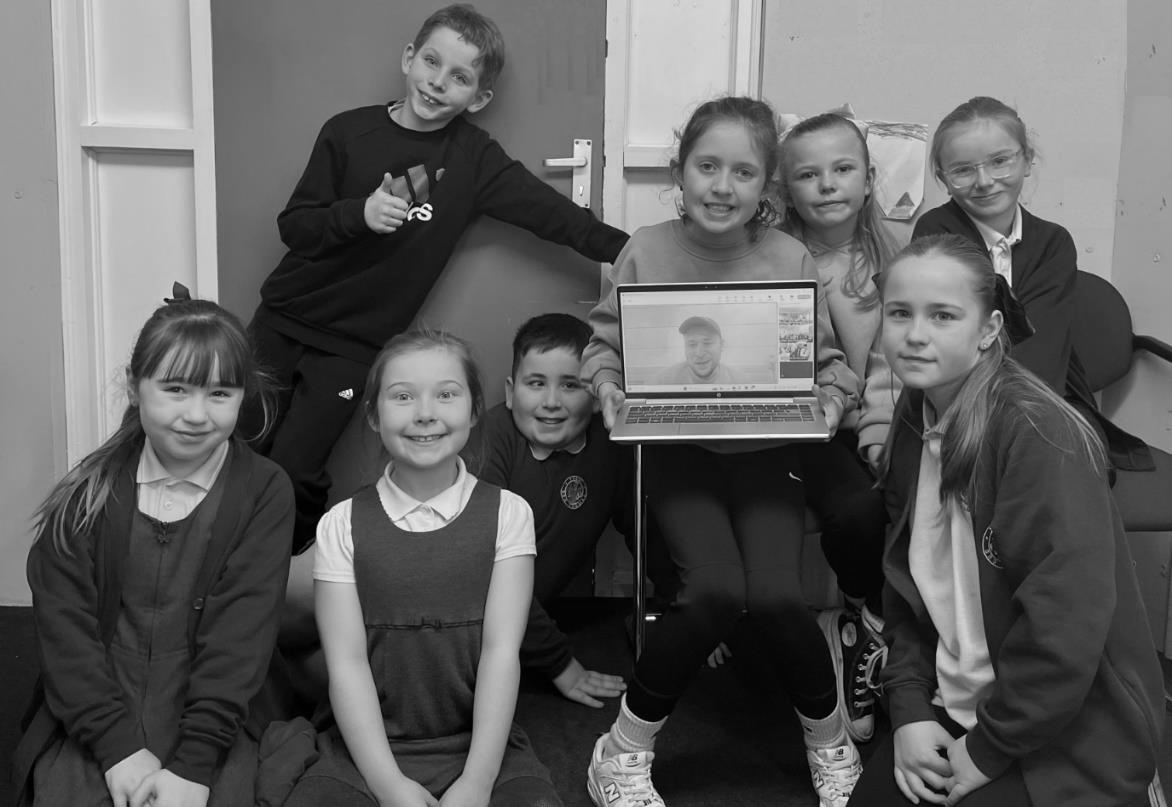
I loved DARPLing in classrooms in Montego Bay, seeing the faces of the children light up as we co-created a poem together and joining Chantelle Haughton, DARPL Founder and Director working with leaders in the school in reflection on professional learning,
It starts with education. That is the thing I missed out in, growing up: the knowledge and education to combat those comments and actions. Knowledge is power and it is through this work with DARPL that we can ALL power up and create a future that is equitable for all. If my poems / books can be used to raise questions and reflections with educators and learners across generations and linking up through DARPL then that’s amazing.
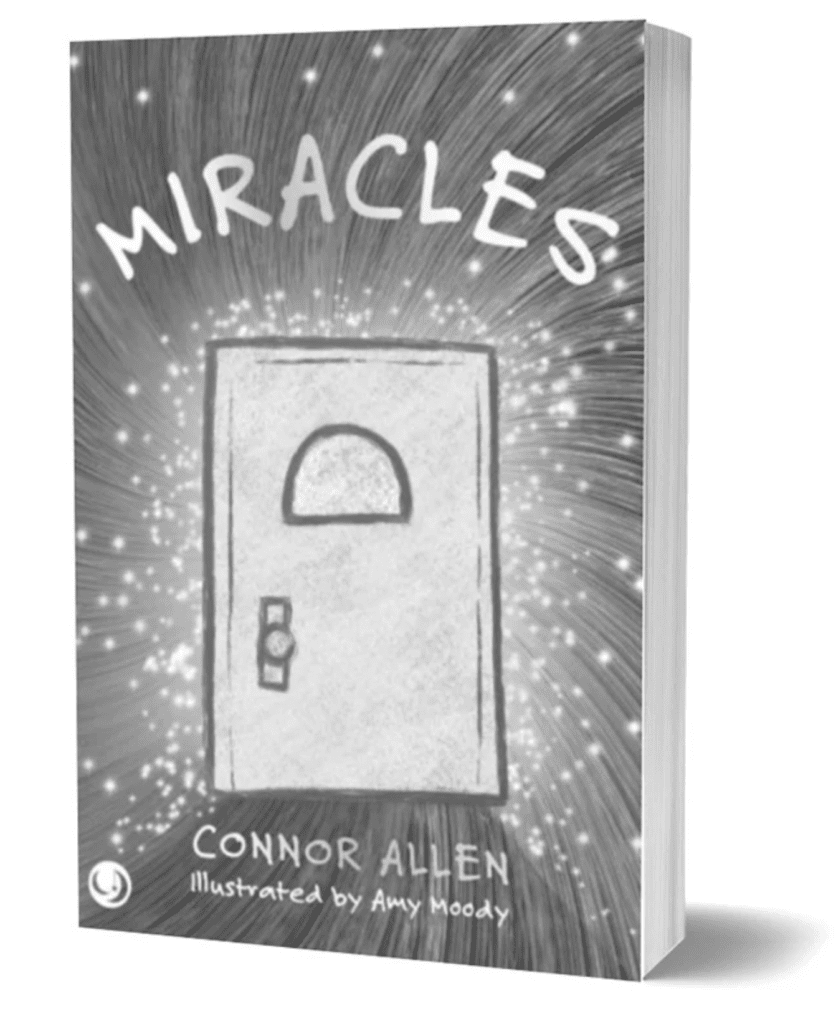
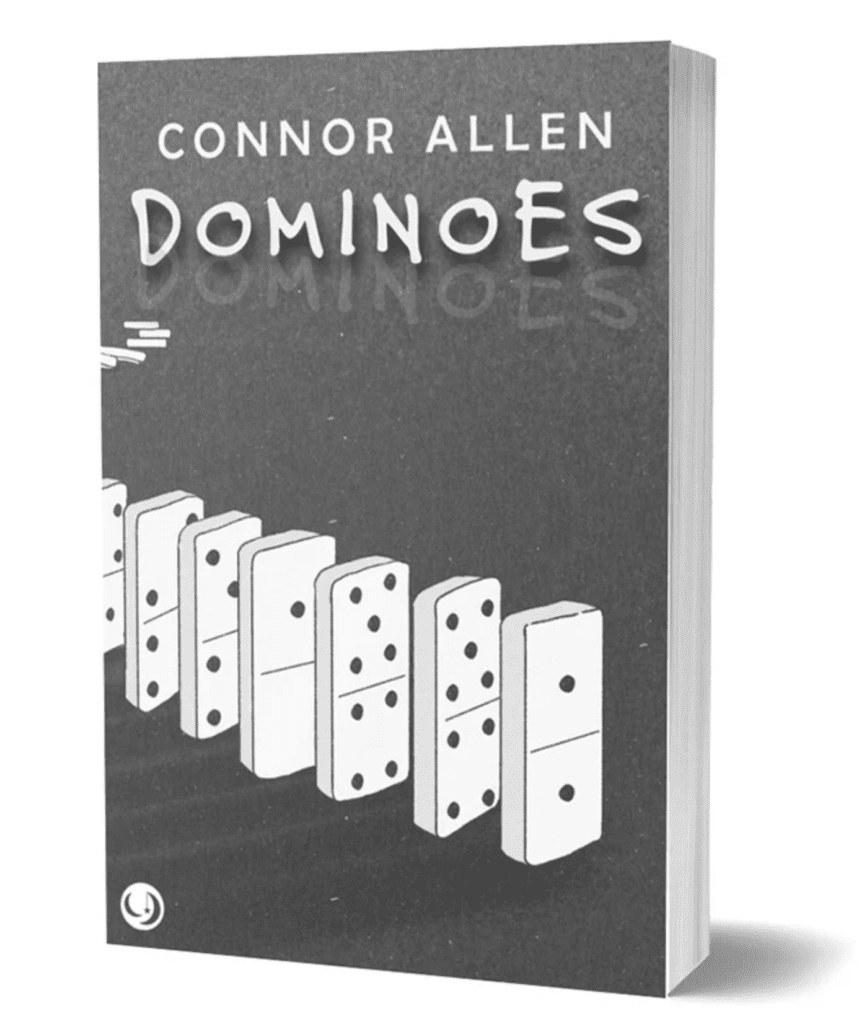
Connor Allen Book details: