DARPL Authors 2024
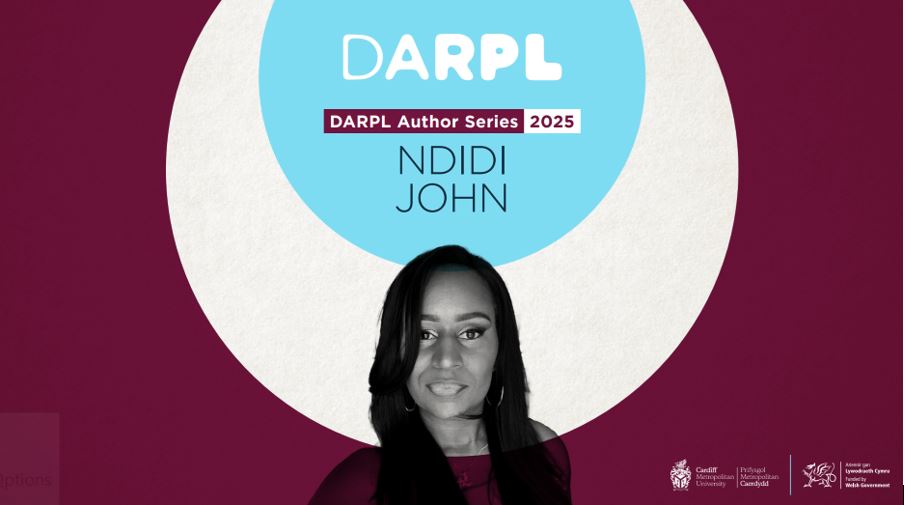
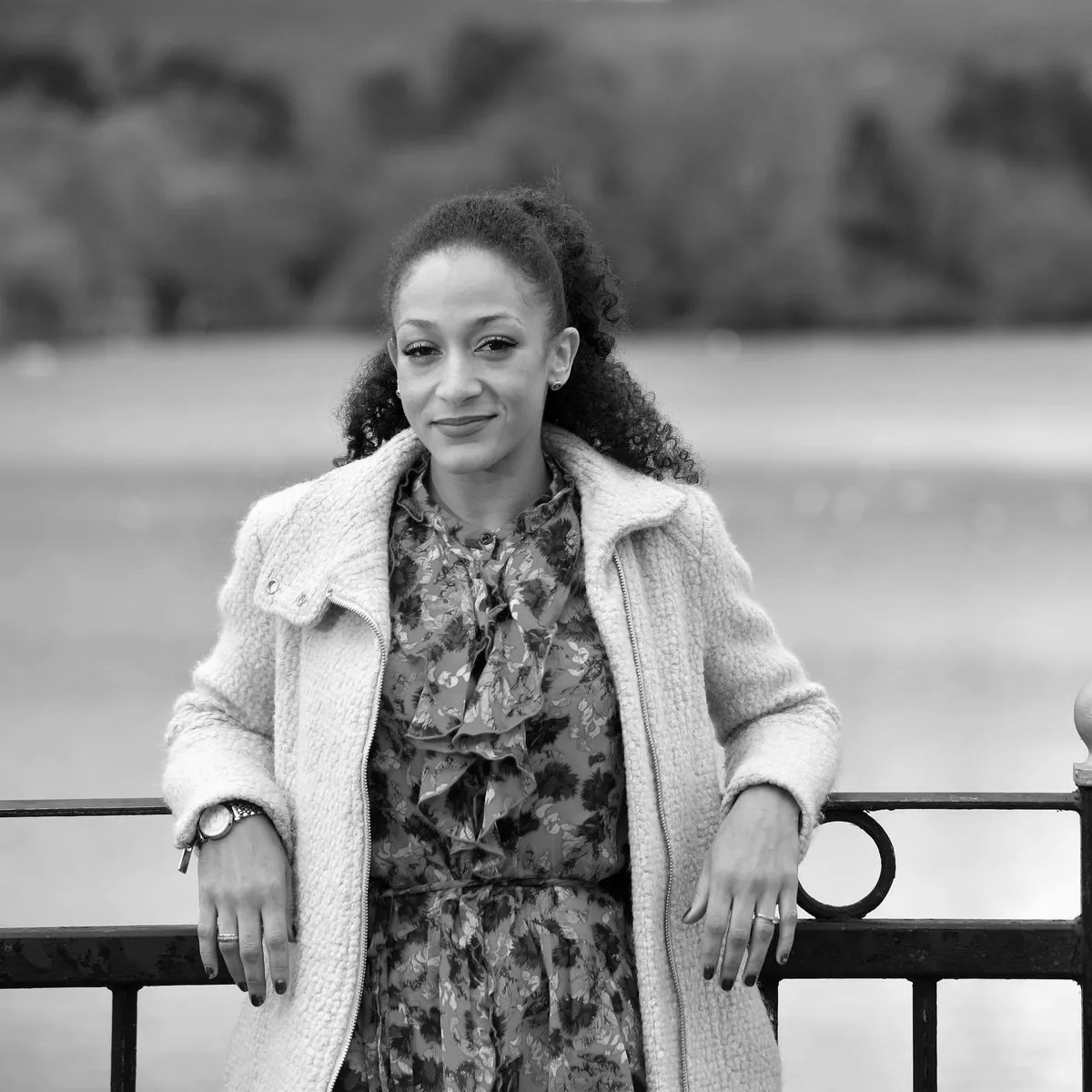
DARPL had the wonderful opportunity to collaborate with five inspirational authors and their literature. The texts by Angela Hui, Connor Allen, Diana Nneka, Jessica Dunrod, and Ndidi John provide vital food thought, a strong appetiser in our nationwide hunger for curricula centred on ethical citizenship and anti-racism. We viewed the critical and thriving new stream of literature within the context of Wales, within the Curriculum for Wales, and the newly launched WJEC qualifications, resources and approach guidance. Each author has produced a blog to provide educators and leaders with valuable opportunities for reflection and consideration. Use these blogs as a springboard for upcoming DARPL professional learning opportunities, to explore books the authors cite, and to investigate the supporting resources from the authors and DARPL.
Frederick Douglas was born enslaved in the US, later becoming a renowned Abolitionist, Orator, and published Author and in doing so, he also became the world’s most photographed man of the 19th Century. Frederick understood the importance of representation, specifically in literature, and its ability to change perspectives and humanise the dehumanised and vice versa. With this understanding and throughout his entire career in the 1800’s, every picture in which Frederick Douglas’ image was captured, he wilfully refused to appear smiling. He did so to reject the notion of, and to counteract stereotypical images of ‘the happy slave’.
You may ask yourself how does Frederick Douglas relate to bilingual books and education and childcare, play and early years here in Wales? Because representation in the literary system mattered in the 1800’s and representation still matters today. Douglas understood the impact and role in which literature and (mis) representation plays to (re) present and (de) humanise communities. We must learn from Douglas, who took action to counteract the dangerous stereotypes placed upon him and his community in image, while counteracting in text through his important writings, misrepresentation, Black erasure and absences of testimonies of enslaved people.
Despite his success and over a century after Douglas’s death, today in Wales, our literary system has failed to reflect our society in our literature, and this is reflected in our national institutions and educational curricula.
For the benefit of young readers, racialised and Black authors like me are counteracting the same erasure, the same stereotypes, the same misrepresentation and the same lack of access to literature which documents and normalises our very existence and natural presence in society. It is time to teach every child in Wales that they matter and it’s time our literary sector supports our educational systems to demonstrate.
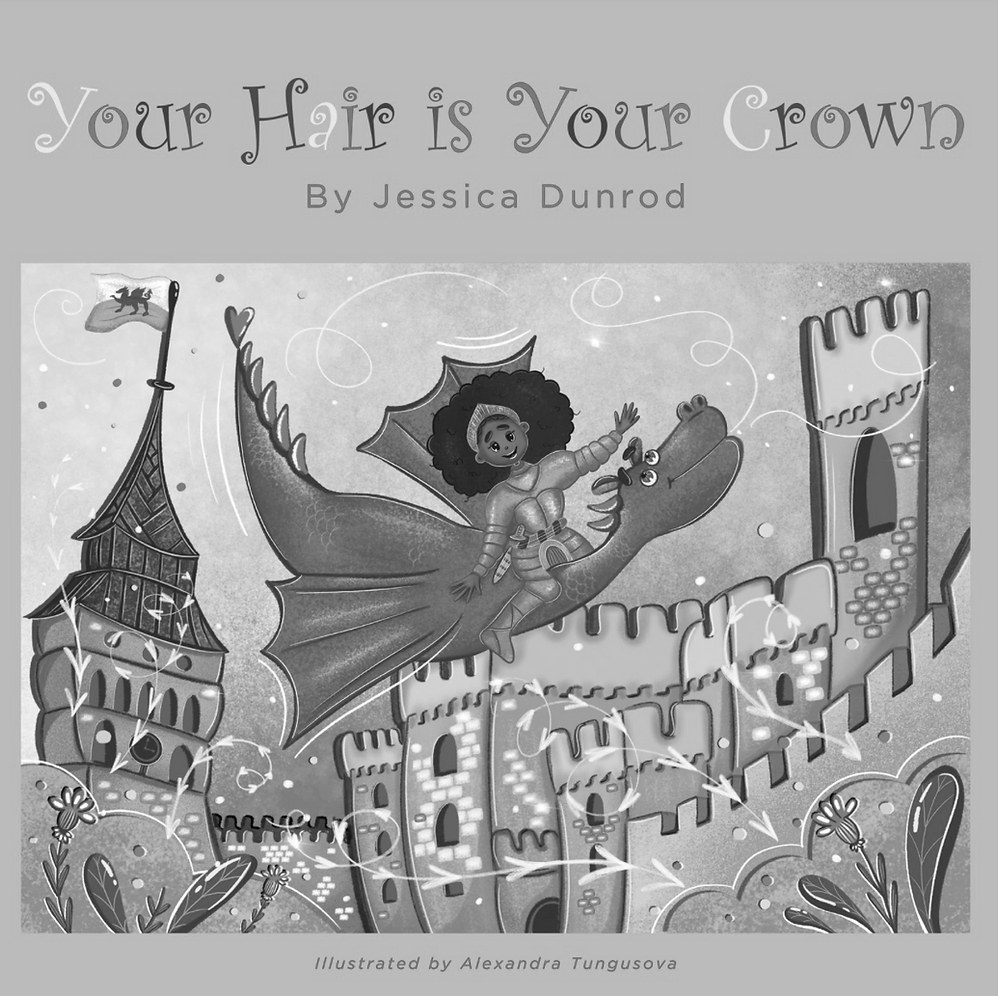
When I wrote “Your Hair is Your Crown” (available in Welsh, English and more languages) my book became the first and only children’s title “set in Wales to feature a non-white character”, I decided to follow Douglas’s ethics and effective strategies. I made a silent pledge to myself that when attending author visits in schools or literary events for children, I would always wear my hair in its natural state, vowing never, EVER to wear my hair straight in schools or at events where children are present.
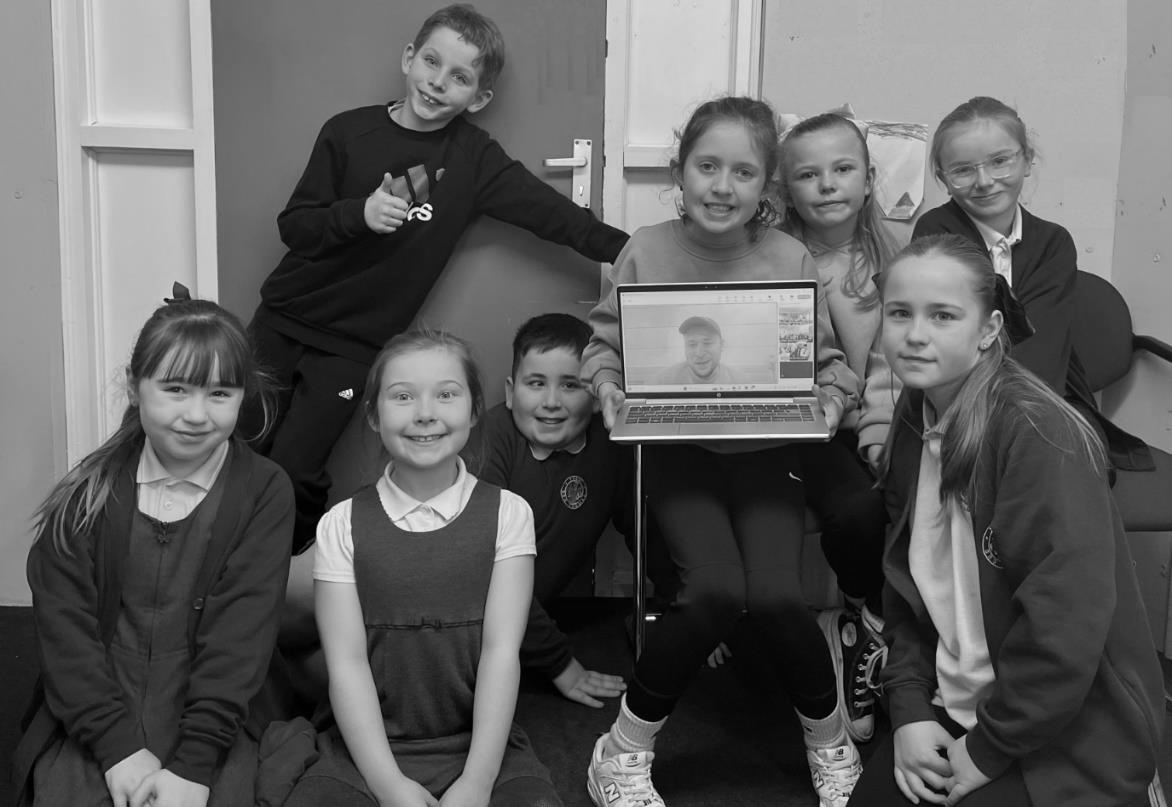
Three years and countless author events and school visit later, I still abide by the pledge I made to myself. Although very recently I made one exception to take part in this project with DARPL. I attended Ysgol Hamadryad in Butetown, Cardiff, to conduct ‘Operation: Don’t Touch My Hair’ which in this instance unusually, meant quite the opposite! In the spirit of affirmations made in “Your Hair is Your Crown”, I wanted to encourage the children to explore my natural hair texture and for the teachers to observe this. I wanted both generations learning together to have a better understanding of the protagonist in my book, whose hair would often change texture, and she would learn to embrace.
And so, while mindfully breaking my own vow, I attended Ysgol Hamadryad Reception Class having straightened my hair the night before. I met with two reception classes who at age 4-5 years, were familiar with my books and excited to ask me questions. The purpose of my visit was to create anti-racist focused professional learning opportunities for the teachers alongside the children learning. During my visit, two young girls commanded much of my attention with their delightful fascination and would soon demonstrate to me that no child is too young to transform from student to teacher. When they asked me why I wrote my books, I replied with my usual dishonest, and most responsible answer when addressing children adorning beautiful afro textured hair, “because I love my curly Afro hair…”. This was dishonest because even in my mid-30’s I’m still on my natural hair journey towards loving my natural hair and unlearning unhealthy, internalised perceptions of myself.
Both girls responded with rather unconvinced facial expressions, so I then gave a more sincere explanation stating that I wrote my books “because I have curly hair, and I want everyone to be proud of their natural features”. Every child in that class including the two young girls denied that I had curly Afro hair, responding “but you don’t have curly hair” while gently stroking my straight hair, slightly sceptical of my answers. I explained that I had straightened my hair the night before, just like Hope’s mum does in the book, then one of the two girls shared with me that her mum straightened her hair once and it “really hurt”. I let her know that it hurts to straighten my hair too. We continued our chat with many more classmates joining in until it was time for me to leave and put “Operation: Don’t Touch my Hair” into action.
I returned moments later in a wetsuit with goggles and a snorkel. Both classes (children and teachers) were tasked with pouring as many buckets of water over my head as they could in a few minutes. They were hesitant at first but soon understood the benefits of a one-sided water fight and as planned, I was drenched and they were smiling, laughing together.
Like clockwork my curls and natural hair texture appeared and the class began shouting in adorable amazement “Look!, her hair has gone all curly!”. And the two girls I previously mentioned began exclaiming to each other “She has hair like ours”, “She has curly hair like us”, “She has Afro Hair too!”. And in that moment of their innocent realisation that the author really did represent them, I was reminded that with DARPL, we are creating the books, curricula, positive representation and change that I needed to see when I was a child, and I was witnessing the positive impact in real time.
As the demonstration came to an end, one child asked politely with a please, if they could touch my hair. Touched by such impeccable manners, such which many adults still struggle with, I agreed and encouraged the rest of the class to join in if they wished. “I love your hair!” I received a shower of compliments while tiny hands prodded and tugged at my afro and curls.
Much like my books, the aim of this “Operation”, was to establish new norms in our children’s literature and education, to normalise the presence Black features, including skin tone and natural Afro-textured hair, and to counteract negative, pre-established stereotypes and connotations, and the harmful societal norms which place unattainable and European beauty standards as supreme, which consequently, promotes painful and dangerous skin bleaching and hair treatments.I wanted to demystify natural hair, especially for White children who may not have yet met or made friends with people with Afro hair and to demonstrate that the sense of ‘cynefin’ written in my book is the same ‘cynefin’. I live here in Wales.
Representation matters. We discuss this notion as if it were advanced, unique and modern manifestation and yet, it has been an open secret that (mis) representation in word and text, has been a tool utilised over the centuries, to (re)present ‘others’ to fit a certain narrative or stereotype. It is from these very same tools which built what is our understanding of stereotypes today, and with these same tools we must counteract and dismantle them”. [For further reading of the effect of representation please see my DARPL blog on the Elsa Effect]
In closing, no child deserves to be left behind, not in our books, nor our classrooms. As we strive towards anti-racist education, childcare and playwork in Wales, we must acknowledge that we need positive representation for white children to access to learn about and respect the diversity unlearn societal attitudes and normalise the Black presence in literature, animation and education resource. As demonstrated by the two young girls, it is also vital for young Black children to access resources which demonstrates that they matter in our society representing themselves and cultures, and representation also and this must extend beyond the page. Teachers in Wales and Welsh Medium settings should not be blamed for a lack of representation in their setting / school libraries and curricula so far, nor for previously their learners’ inability to access Welsh books which reflect our society, because up until very recently (in the last 3 years) such books did not exist. The tide is changing and within the Curriculum for Wales, we can expect so much more – it’s wonderful (and vital) to see the children enjoying the diversity of Wales through books in both English and Welsh.
Jessica Dunrod Book details: